

System guide
Whole-House Water Filtration
Treat selected concerns at the point where water enters the home.
Explore the Indiana guide →Use Indiana city, utility, PWSID, ZIP and source-water research to compare whole-house filtration, water softeners, reverse osmosis, professional installation and financing with Zero Trace Water.
This website is not a water utility or government agency. Verify the serving utility and current report for the property.
Start with the correct water supplier or private well, verify the source and current report, test unresolved property-specific concerns, and then select treatment with a complete model-specific claim. Whole-house filtration, softening and reverse osmosis solve different problems; installation, flow, pressure and maintenance determine whether the system can perform as intended.
Find your Indiana city guide · Compare water systems · Review our research standards
Every treatment decision should connect the source, current report or laboratory result, household demand, certified reduction claim, installation scope, and long-term maintenance.
Treat selected concerns at the point where water enters the home.
Explore the Indiana guide →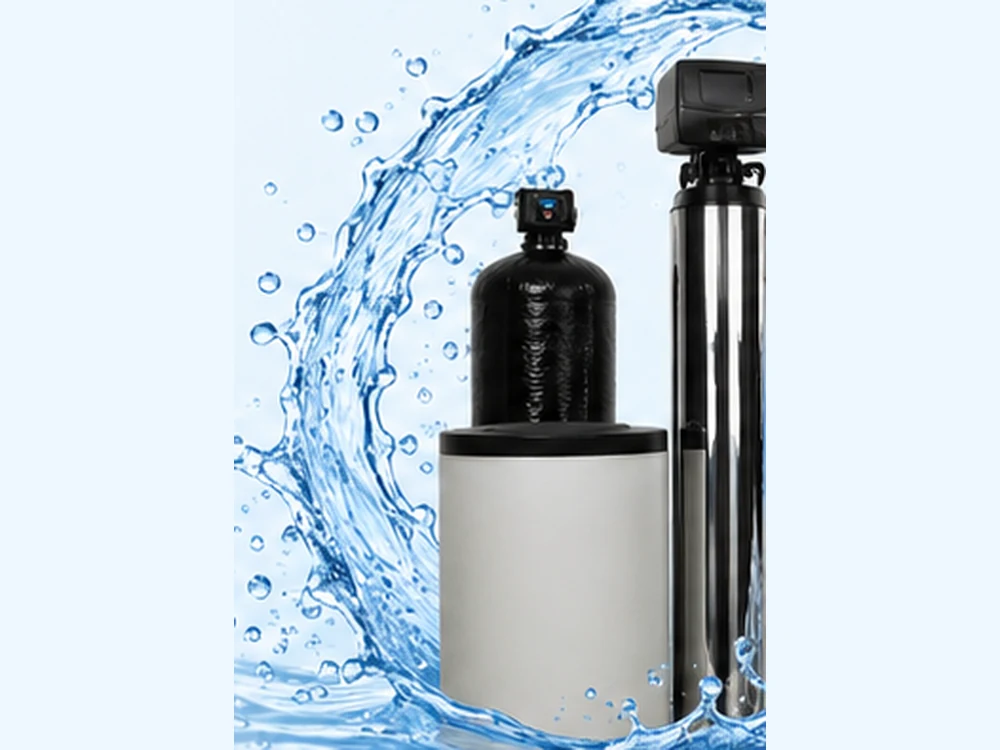
Control hard-water scale with a correctly sized ion-exchange system.
Explore the Indiana guide →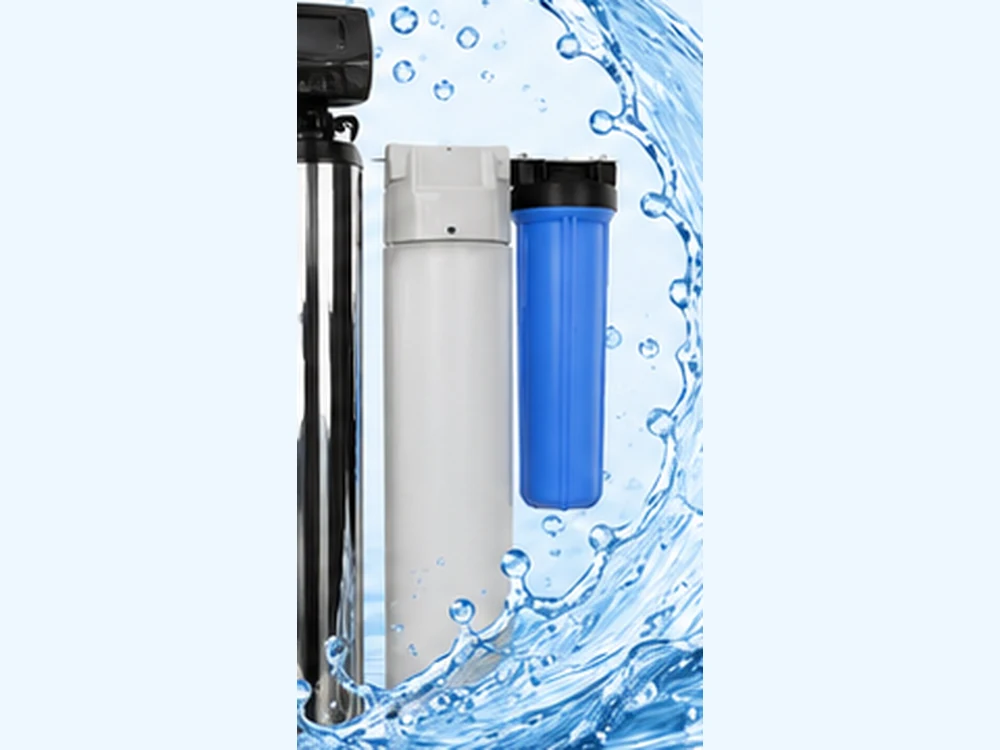
Create a dedicated drinking-water treatment barrier at the kitchen sink.
Explore the Indiana guide →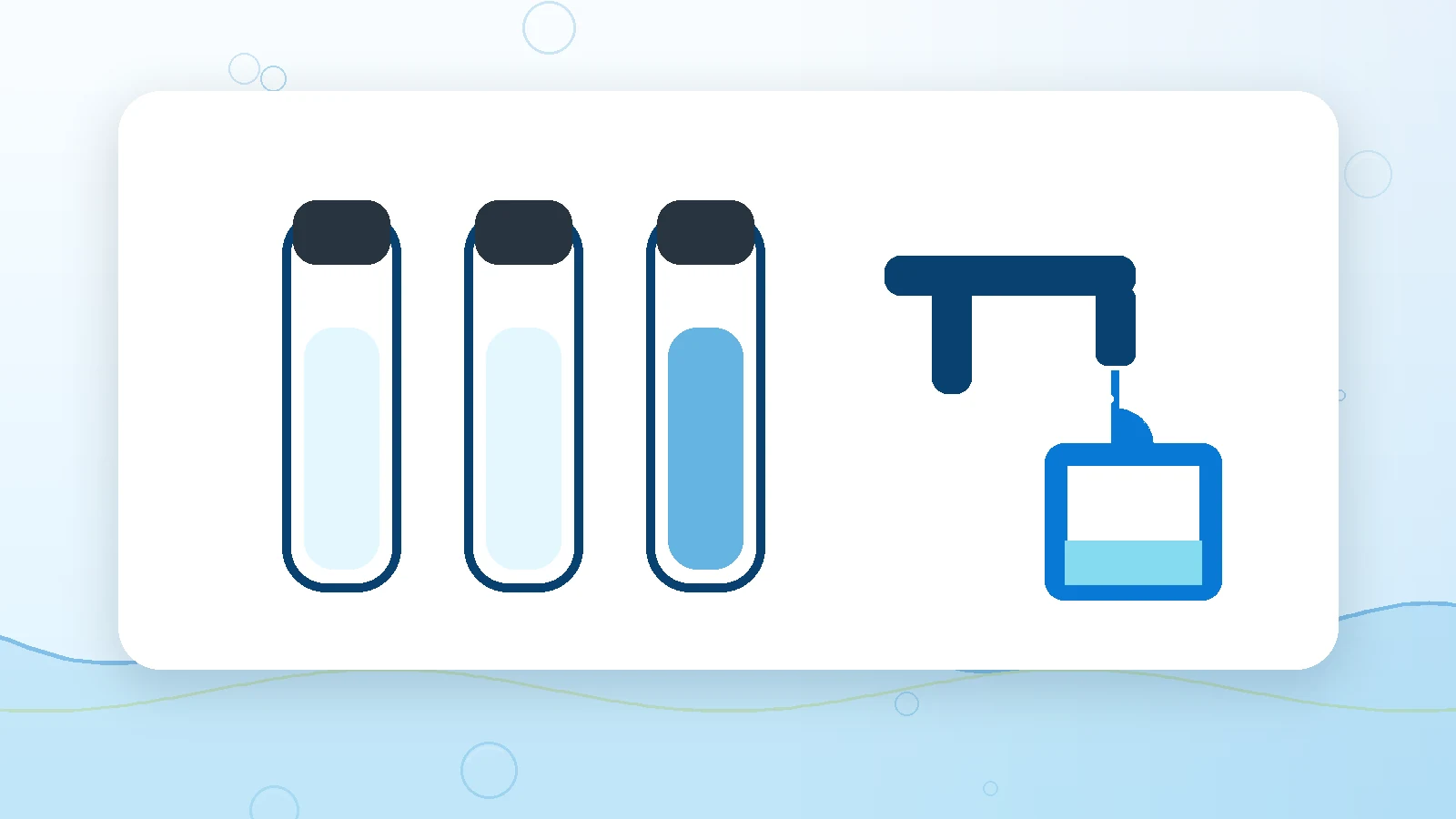
Compare certified point-of-use filtration for drinking and cooking water.
Explore the Indiana guide →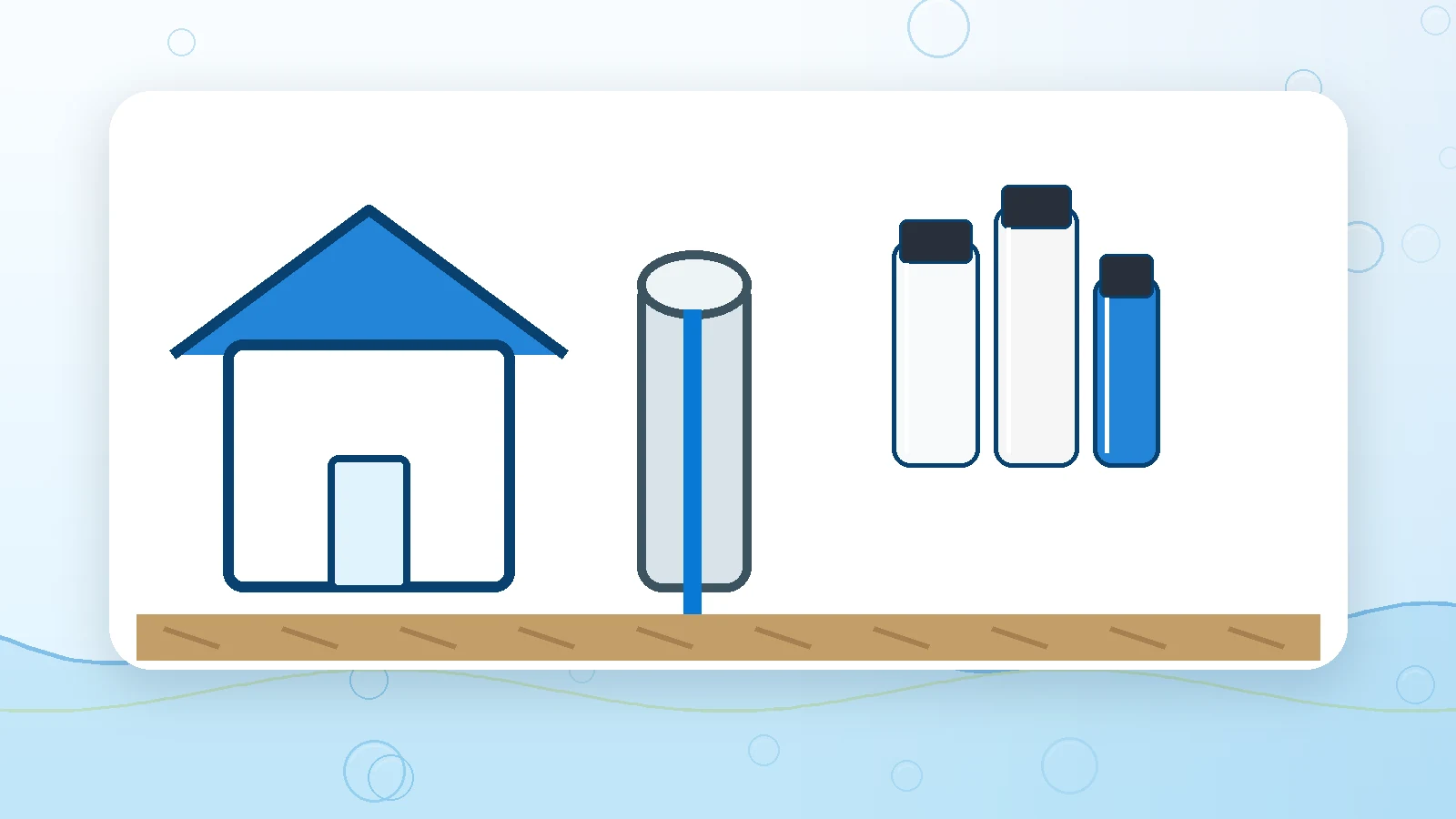
Test the well first, then match equipment to the actual chemistry and microbiology.
Explore the Indiana guide →
Use the right sample, laboratory, and interpretation before selecting treatment.
Explore the Indiana guide →Indiana contains thousands of active public water systems, from large utilities to small facilities. A homeowner may receive surface water, groundwater, purchased water, or a blend—and nearby neighborhoods can have different suppliers.
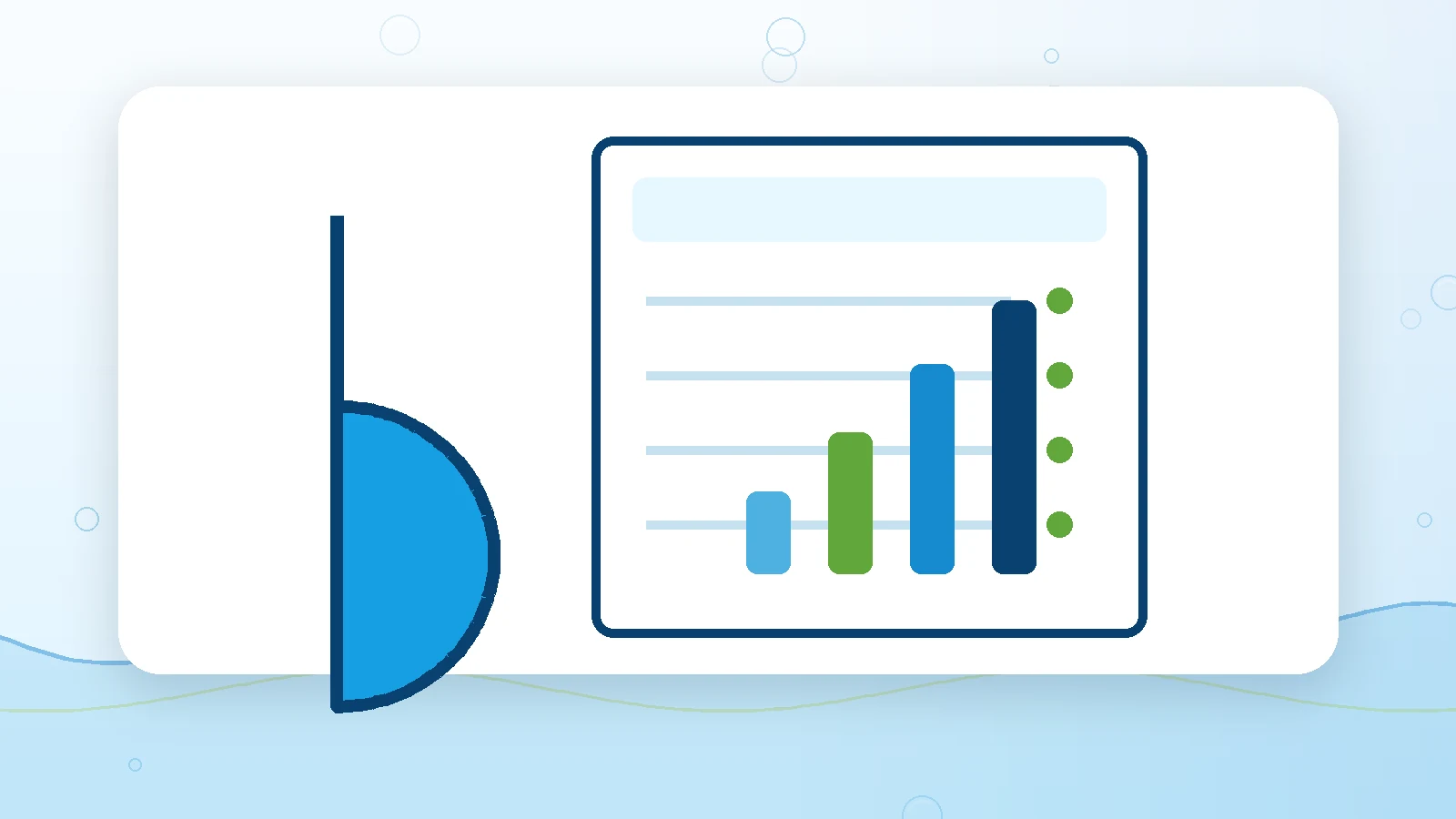
The launch directory covers major metropolitan corridors and strategic regional cities. Each page explains what is known, what needs address-level confirmation, and what to inspect in the newest report.
Indiana's largest population center includes large regional utilities, municipal systems, purchased-water zones, and fast-growing suburban service boundaries.
Browse 14 city guides →The Chicago-adjacent corridor includes Lake Michigan surface-water systems, purchased-water communities, and groundwater systems within a short distance of one another.
Browse 16 city guides →La Porte County combines a Lake Michigan surface-water system with communities supplied primarily by groundwater.
Browse 2 city guides →Northeast Indiana includes Fort Wayne's river-based supply and many nearby groundwater systems.
Browse 7 city guides →The St. Joseph County urban area relies heavily on groundwater and is surrounded by a mix of municipal systems and private wells.
Browse 2 city guides →North-central Indiana communities commonly use groundwater, with separate municipal wellfields and address-dependent service boundaries.
Browse 5 city guides →The Wabash River corridor includes municipal groundwater wellfields, university-area demand, and separate city systems.
Browse 4 city guides →Kokomo and neighboring communities use multiple municipal systems and groundwater sources across north-central Indiana.
Browse 3 city guides →East-central Indiana contains municipal and investor-owned systems, groundwater supplies, and older urban plumbing.
Browse 3 city guides →The Wabash Valley is predominantly groundwater-served, with city systems, smaller communities, and rural private wells.
Browse 2 city guides →Bloomington's Monroe Reservoir supply contrasts with the groundwater systems and private wells serving nearby communities.
Browse 3 city guides →This I-65 corridor includes municipal groundwater systems and rural homes on private wells.
Browse 3 city guides →Clark, Floyd, Harrison, Scott, Washington, and Jefferson counties include municipal systems, purchased-water zones, groundwater, and Ohio River regional influences.
Browse 9 city guides →Southwest Indiana includes Evansville's Ohio River supply and nearby groundwater systems serving cities and rural properties.
Browse 9 city guides →Dearborn, Franklin, Ripley, and Decatur counties sit within the Cincinnati economic region but use distinct Indiana public-water systems and private wells.
Browse 6 city guides →Eastern Indiana communities rely mainly on groundwater and include older urban housing as well as rural private wells.
Browse 2 city guides →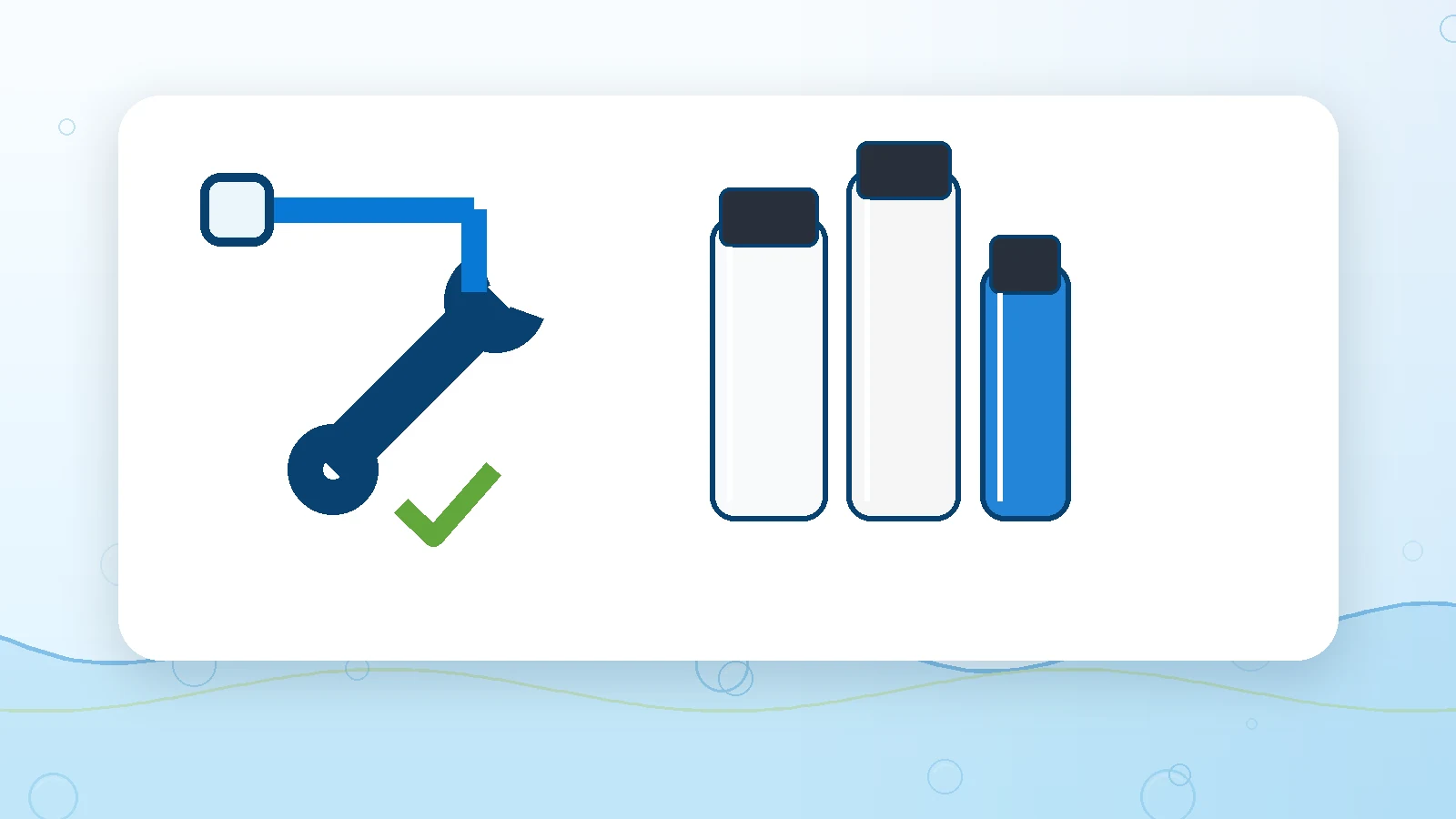
Indiana homeowners can use this site to understand the water question, then follow the complete ZeroTrace Water pathway for system selection, installation planning, financing review, startup, and ongoing service.
Review professional installation · Understand financing options · See how ZeroTrace projects work
Confirm the supplier or well, collect the right evidence, compare complete treatment claims, and review installation and financing before buying.