

What is the evidence?
Identify the report, sample, date, location, unit, detection limit, and whether the result is raw source water, finished water, distribution water, or a household tap.
Test the well first, then match equipment to the actual chemistry and microbiology.
The appropriate system is not chosen from the city name alone. Begin with the actual public supplier or private well, the newest applicable report, household symptoms, and any certified laboratory result. Then evaluate coliform bacteria, nitrate, hardness, iron, manganese, sulfur odor, pH, arsenic, sediment, and well condition.
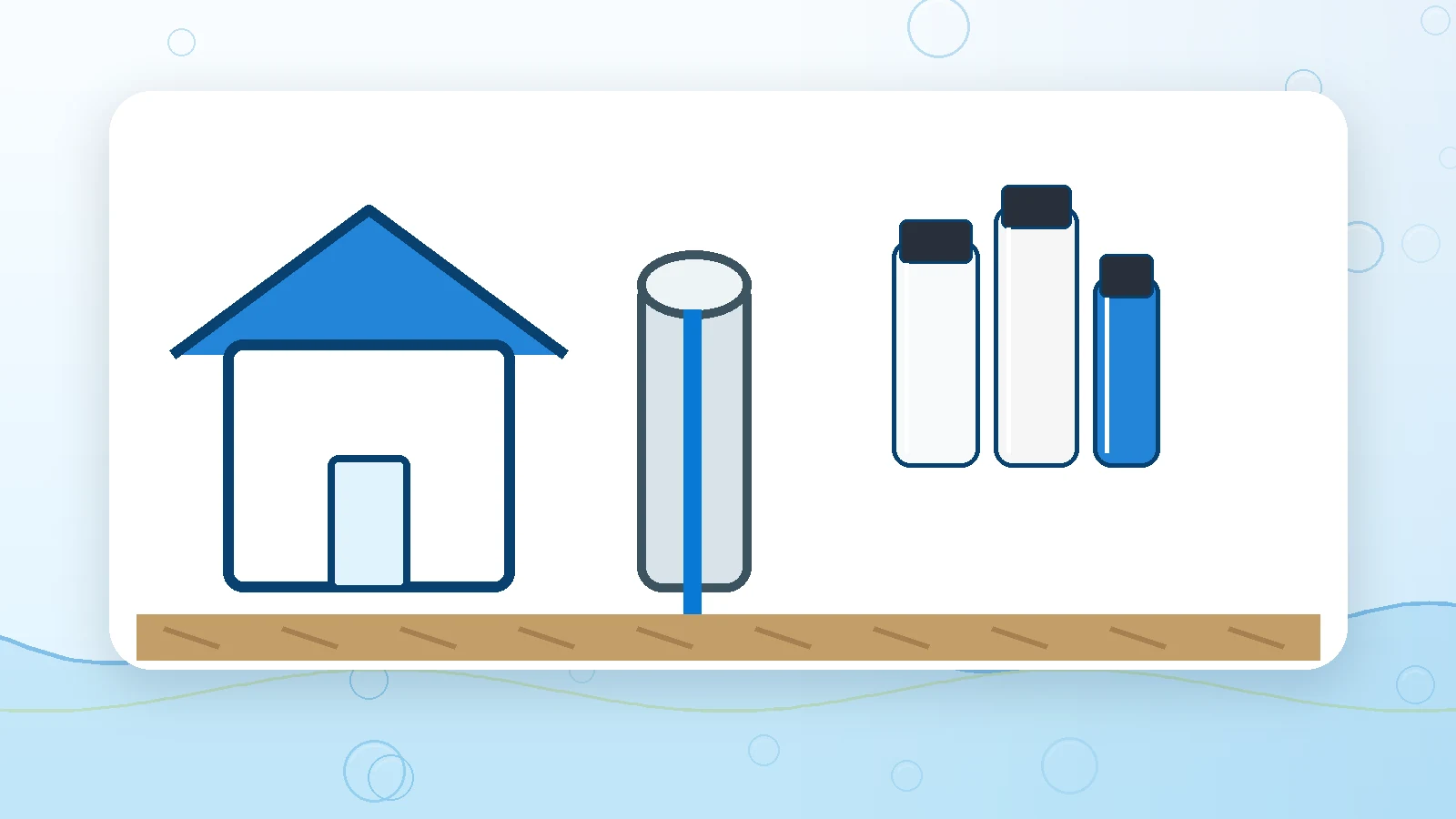
Identify the report, sample, date, location, unit, detection limit, and whether the result is raw source water, finished water, distribution water, or a household tap.
Ask for model-specific certification or performance data, rated capacity, flow, replacement interval, and conditions that can change performance.
Document plumbing, bypasses, drains, electrical work, permits where applicable, startup, testing, homeowner training, warranties, and recurring service.
Public-water customers should begin with the serving system's current Consumer Confidence Report and any applicable PFAS or UCMR 5 data. Private-well owners are responsible for testing their own water and should use an Indiana-certified laboratory for health-related questions.
Do not assume a neighboring city's results apply. Use the Indiana city directory, then confirm the provider and source for the address.
Read ZeroTrace Water's system-selection guide and learn how to verify a filter certification.
Confirm the supplier or well, collect the right evidence, compare complete treatment claims, and review installation and financing before buying.